For personal reasons, children and adult patients alike can dislike the appearance of their ears. Some patients have prominent or protruding ears they’ve felt self-conscious about since childhood. Others are dealing with a deformity caused by trauma, or simply want to reduce the prominence of their earlobes or repair damage from elongation and stretching. Otoplasty, a facial plastic surgery procedure offered at our Kansas City, KS practice, can help address these concerns and bring the ears into better balance with the rest of the face.
Explore Topics On This Page:
Learn more about our gentle, patient-first approach. To book your consultation, contact us today.
What Is Otoplasty?
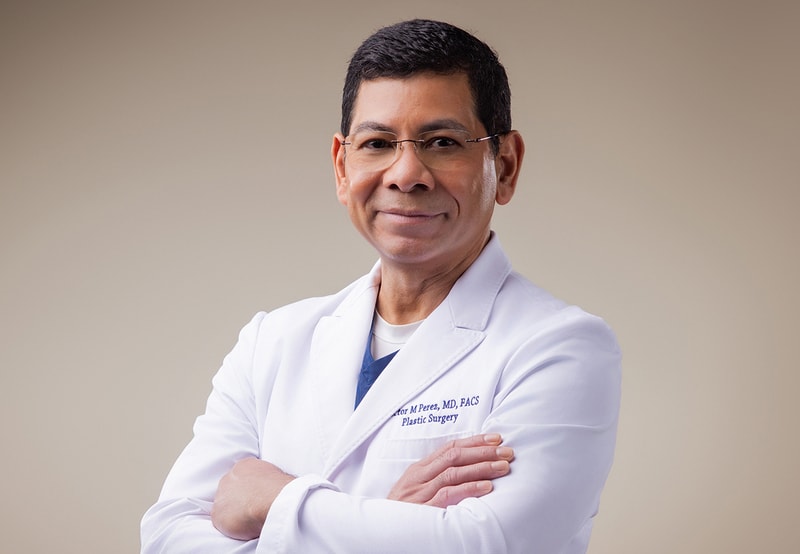
Otoplasty, commonly called ear pinning surgery, is a procedure that reshapes, repositions, or resizes the ears. It’s most often used to correct ears that protrude further from the head than patients would like, but it can also address ears that are asymmetrical, overly large, misshapen from birth, or altered by an injury. Dr. Victor Perez, our experienced plastic surgeon, is board-certified by the American Board of Plastic Surgery and brings over two decades of experience to each procedure, tailoring his technique to each patient’s ear structure and goals.
What Are the Benefits of Otoplasty?
Otoplasty can offer both cosmetic and emotional benefits, including:
- A more balanced, proportional appearance between the ears and the rest of the face
- Correction of prominent, protruding, or asymmetrical ears
- Improved self-confidence, especially in children who may face teasing over their ear appearance
- A discreet, well-hidden scar tucked behind the ear
- Long-lasting results after one procedure
- The ability to correct stretched, torn, or elongated earlobes
Who Is a Candidate for Otoplasty?
Otoplasty to improve the appearance of prominent ears can be performed at an early age, generally around 6 to 10 years old, once the ear cartilage has largely finished developing, or later, whenever the patient is ready to make the decision. In children, ear pinning surgery can meaningfully improve self-esteem. Ideally, your child has expressed their own insecurity about their ears and wants their shape revised. Cooperation from the child goes a long way toward achieving the best results.
Adults are candidates too. Many adults come to us having lived with prominent or asymmetrical ears their whole lives and are simply ready to address it, while others are seeking correction after an injury or want to repair earlobes stretched from heavy earrings or gauging. Good candidates, whether children or adults, are in good general health, have realistic expectations for their results, and have ears that have finished growing.
What Does the Otoplasty Procedure Involve?
Dr. Perez performs a total approach to otoplasty with an inconspicuous, posterior scar hidden behind the ear. With this technique, he removes a portion of the ear cartilage and uses sutures to modify and hold the new shape of the ear in place. He then uses an anterior approach to weaken the forces acting on the front of the cartilage, which helps limit the chance of the deformity recurring over time.
Otoplasty is performed under general anesthesia in children, administered by a board-certified anesthesiologist and nurse anesthetist for the highest standard of safety and care. Adult patients have the option of local anesthesia with oral sedation, performed comfortably in our in-office surgical suite in Overland Park.
e is performed under general anesthesia during childhood. As an adult, the patient has the option of local anesthesia and oral sedation, performed in our in-office surgical suite.
What Can I Expect in My Otoplasty Recovery?
Most otoplasty patients, even young children, tolerate the procedure and recovery well. Any discomfort is generally well controlled with oral narcotic pain medication.
During the early recovery period, patients need to avoid any activity that involves direct contact with the ears, which may mean postponing certain sports or activities for a while. The surgical site will be covered with a bulky gauze head wrap, and patients should sleep with their head elevated, taking care not to turn from side to side while sleeping.
Swelling and bruising are common after surgery; these typically begin to improve after about 10 days and largely resolve by the 4-week mark. As with most cosmetic surgery, final results settle in over 6 to 12 months.
What Risks Are Associated with Otoplasty?
As with most surgical procedures, otoplasty carries some risk you should be aware of. The most common risks include infection, bleeding, and an allergic reaction to anesthesia. Other potential risks include:
- Asymmetry between the ears
- Changes in skin sensation
- Visible scarring behind the ears
- Suture-related issues, such as sutures becoming visible at the skin’s surface
- Overcorrection, which can make the ears appear too tightly pinned back
Dr. Perez will go over these risks in detail during your consultation, along with how his technique and experience help minimize them.
Complementary Procedures to Otoplasty
Many patients choose to pair otoplasty with other facial procedures to address several concerns in one recovery period. Complementary options include:
- Rhinoplasty to reshape the nose alongside the ears for more overall facial harmony
- Facelift & neck lift for patients also looking to address signs of aging around the lower face and neck
- Eyelid surgery to refresh a tired-looking upper or lower eyelid area
- Buccal fat removal for patients wanting more facial contour and definition
During your consultation, Dr. Perez can help you decide whether combining procedures makes sense for your goals, health, and recovery timeline.
Additional FAQs About Otoplasty
How Long Does Ear Pinning Surgery Take to Perform?
On average, ear pinning surgery takes about two hours to perform. How the surgery is carried out differs slightly depending on the patient. Young children typically receive general anesthesia unless they have an allergy to it, while a local anesthetic mixed with a sedative is often used for older children and adults.
During your initial consultation, Dr. Perez will discuss the details of the procedure, including how it's performed, the risks, the benefits, and the recovery period, so you feel fully informed and comfortable moving forward.
Are There Any Differences in How the Otoplasty Procedure Is Done?
Depending on the patient, ear pinning surgery can be performed in one of two ways. In rarer cases, sutures alone are used to bring the ear closer to the head without removing any excess skin or cartilage. More commonly, an incision is made behind the ear where it connects to the head, a small amount of skin and cartilage is removed, and sutures are placed so the ear heals in its new, proper position.
Will Otoplasty Affect My Hearing?
No, otoplasty only involves the cartilage and skin of the outer ear, known as the pinna. The surgery does not touch the ear canal, eardrum, or any of the structures involved in hearing, so patients can expect their hearing to be completely unaffected by the procedure.
Are the Results of Otoplasty Permanent?
Yes, in the vast majority of cases. Once the ear cartilage has been reshaped and the sutures have healed into place, the results are considered long-lasting and stable for life. While final results take 6 to 12 months to fully settle, the ear's new shape and position typically remain unchanged from that point forward. In rare cases, the deformity can partially recur over time, which is why Dr. Perez uses a technique designed specifically to minimize this risk.
Is There Any Medication or Food I Have to Avoid?
While recovering from ear pinning surgery, you'll need to avoid anti-inflammatory medications and aspirin. You should also avoid herbal supplements, since they can increase bleeding, and steer clear of smoking, which decreases blood flow and slows healing.
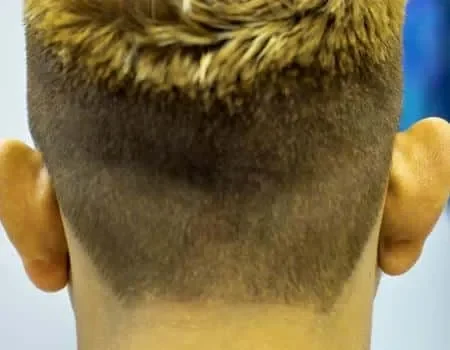
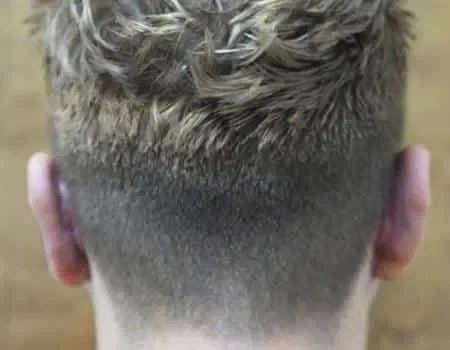
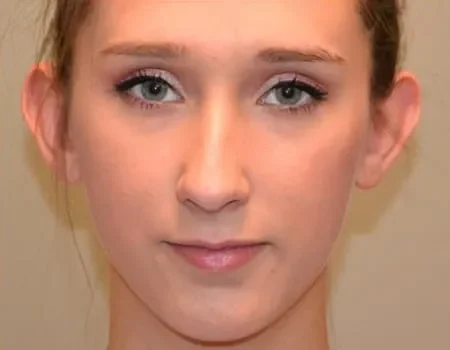
Patient Results
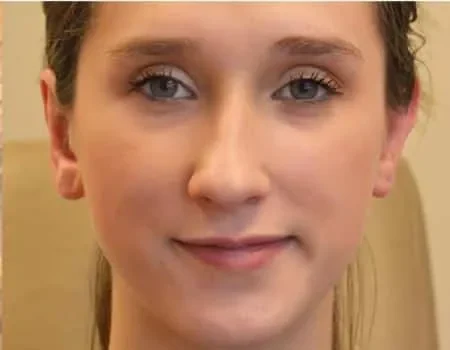
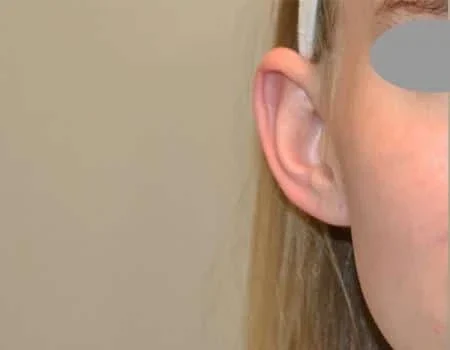
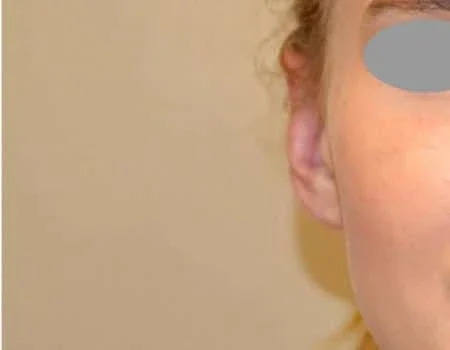
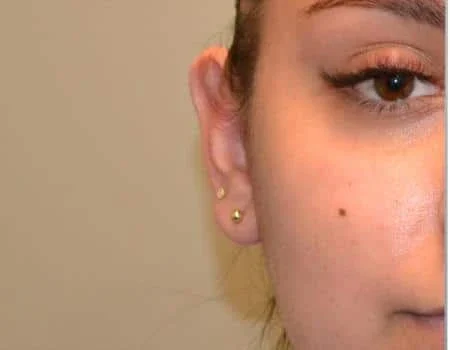
Trusted Otoplasty in the Greater Overland Park Area
Looking for an experienced otoplasty surgeon near Lee’s Summit, Kansas City, Olathe, or Leawood? Dr. Victor Perez treats ear surgery patients of all ages at his Overland Park office, offering board-certified expertise and compassionate, personalized care.
Contact Us Today for Ear Pinning Surgery in Overland Park
For more information about otoplasty at Renue Aesthetic Surgery, please contact us at (913) 685-1108 today to learn how we may assist patients in Kansas City, Overland Park, Lenexa, Shawnee, Olathe, and other Kansas communities.
