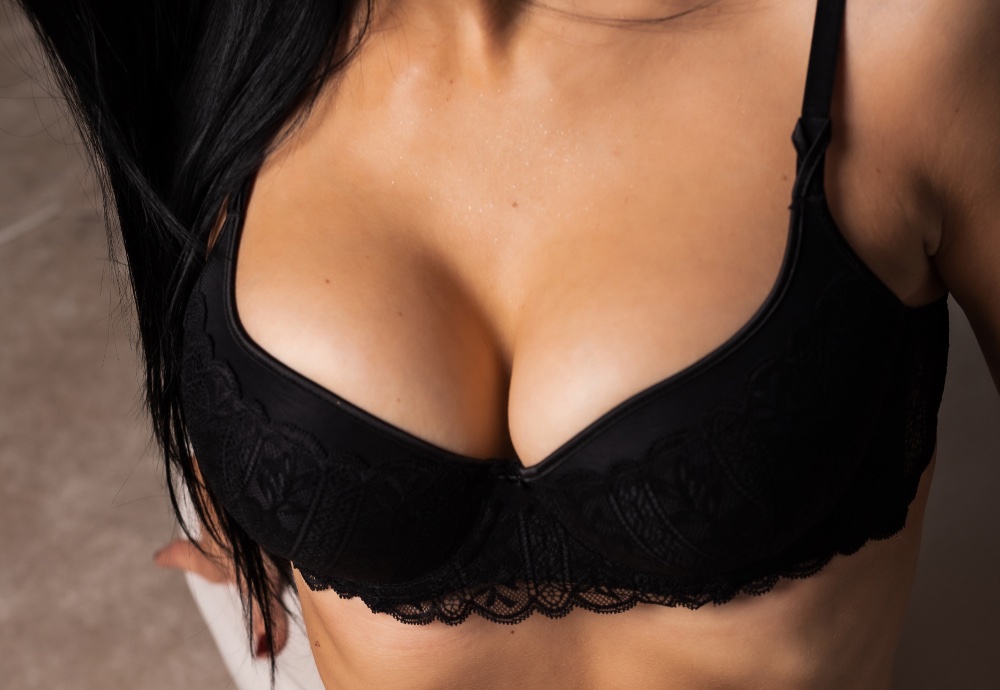
As a woman, your breasts play an important role in your femininity and self-image. If you feel unhappy with their size, shape, or position, it can affect how you feel in clothing or in more personal settings. A range of breast surgery options is available to enhance, lift, reduce, or restore the breasts, allowing treatment to be tailored to your individual goals.
Breast surgery can offer both aesthetic and functional benefits in everyday life. Depending on the procedure, it may improve body proportions, restore a more youthful appearance after weight loss or pregnancy, or make physical activities more comfortable. Many patients experience a boost in confidence and self-image, while others find relief from concerns such as asymmetry or volume loss. In some cases, procedures like breast reduction can help alleviate chronic neck, shoulder, or back discomfort caused by overly large breasts, while reconstructive options can help restore a sense of wholeness and confidence after medical treatment.
At Renue Aesthetic Surgery, your individuality is central to every treatment plan. No two women have the same body or the same aesthetic goals, which is why each procedure is carefully customized to your unique physique and vision. Breast surgery requires a thoughtful balance of technical precision and surgical artistry to create results that feel harmonious, elegant, and naturally aligned with your figure.
Breast Augmentation
One of the most popular plastic surgery procedures in the country, breast augmentation addresses issues with breast volume, shape, and symmetry through the placement of breast implants.
Breast Lift
Whether performed alone or in conjunction with breast augmentation, a breast lift is designed to lift drooping breasts and restore a more youthful appearance.
Breast Reduction
If you suffer from chronic neck, shoulder, or back pain due to the excessive size of your breasts, breast reduction surgery can ease your discomfort and improve your overall quality of life.
Breast Lift with Implants
A breast lift with implants combines lifting and volume enhancement to create a fuller, more youthful breast shape with improved position and contour.
Breast Implant Revision
Breast implant revision is performed to replace or adjust existing implants, helping improve appearance, address concerns, or restore desired results.
Breast Implant Removal
Breast implant removal involves taking out existing implants, often to address concerns or achieve a more natural look, with or without additional reshaping procedures.
What Should I Do During Breast Surgery Recovery to Help My Body Heal?
Your aftercare instructions may vary slightly based on the kind of breast surgery you have had. You can discuss general expectations at your consultation, such as how much time you should arrange off work. Before you leave the surgery center, you’ll be given detailed instructions to follow at home that will include medication dosages and times and various activity restrictions.
In general, you can help your recovery along with the following:
- Rest as much as you need. During the first week after your breast surgery, your body may ask for much more sleep than you’re used to. Listen. Surgery puts a lot of stress on the body, and much of your energy will be used to heal the breast tissue and the skin. If you feel like napping at any time during the day, do it. While you should walk for 5 to 10 minutes several times a day, the bulk of your time will be spent sleeping and resting.
- Take your pain medication as directed. If you do not take your pain medication as directed, your body will be under more stress than is necessary, and it could prolong your recovery by a few days. We understand the concerns that some patients have about taking prescription pain medication. Talk to the doctor about your concerns and ask for tips that can reduce the side effects of the medication. You may be ready to transition to over-the-counter pain relievers in as little as a week.
- Drink plenty of water. Staying hydrated helps your body process the anesthesia and also engage in optimal tissue recovery. Drinking one to two liters of water a day during your recovery may also offset the potential constipation that can occur due to your prescription pain medicine.
- Eat a nutrient-dense diet. Lean proteins are immensely supportive of tissue recovery, as are foods that contain vitamins C and D, both of which help the body make use of collagen. Foods rich in calcium, including milk, kale, and spinach, can provide a boost of strength as you heal from surgery.
What Restrictions Are There After Breast Surgery?
Your detailed post-op instructions will have a comprehensive list of do’s and don’ts. Breast surgery patients are generally advised to avoid the following:
- Swimming and hot tub use. As long as your incisions are still healing, it is necessary to steer clear of extended time in the water. You may shower, but your doctor may advise against soaking in the tub. Swimming or soaking, even in chlorinated water, can disrupt the healing process and cause poor scarring.
- Smoking, nicotine, and tobacco use. Smoking affects how well your body utilizes oxygen. Tissue oxygenation is critical to the healing process. Nicotine use can also degrade tissue recovery and lead to a prolonged healing period. Each of these habits should be strictly avoided for six weeks or longer after surgery to reduce the risk of post-surgical complications.
- This is one of the primary activity restrictions for breast surgery patients. You shouldn’t lift anything heavier than a half gallon of milk until cleared to do so. Usually, clearance occurs three to four weeks after surgery.
- Strenuous exercise. There’s no harm in taking it easy for a few weeks! This is especially beneficial after breast surgery, though it can be challenging. After your procedure, you’ll need to put off all forms of exercise other than walking for four weeks or longer. You can expect full clearance to resume all of your normal exercises six to eight weeks after your breast procedure.
“I’m three weeks postoperative and I’m already pleased with my results, mind you I am still pretty swollen right now and will be for at least the next couple of months or so. My experience had been amazing since the beginning. He has answered all of my questions with sincerity! The staff are all genuinely sweet, knowledgeable and patient.”
Call Us Today for Breast Enhancement Surgery
If you are dissatisfied with your breasts, breast surgery may be the solution for you. The procedures available can make a meaningful difference in both your appearance and confidence, whether performed individually or combined to achieve your ideal results.
The best way to determine the right approach is through a personal, confidential consultation. During this meeting, Dr. Perez will take the time to understand your goals, answer your questions, and evaluate your needs. From there, he will guide you through your options and recommend a customized plan designed to help you look and feel your best. Schedule a consultation today to get started.